
Topic
Artists in the Studio: How a Record Really Gets Made
Tracking, overdubs, and mixing, explained step by step — and where session players earn their keep.
Tracking, overdubs, and mixing, explained step by step — and where session players earn their keep.
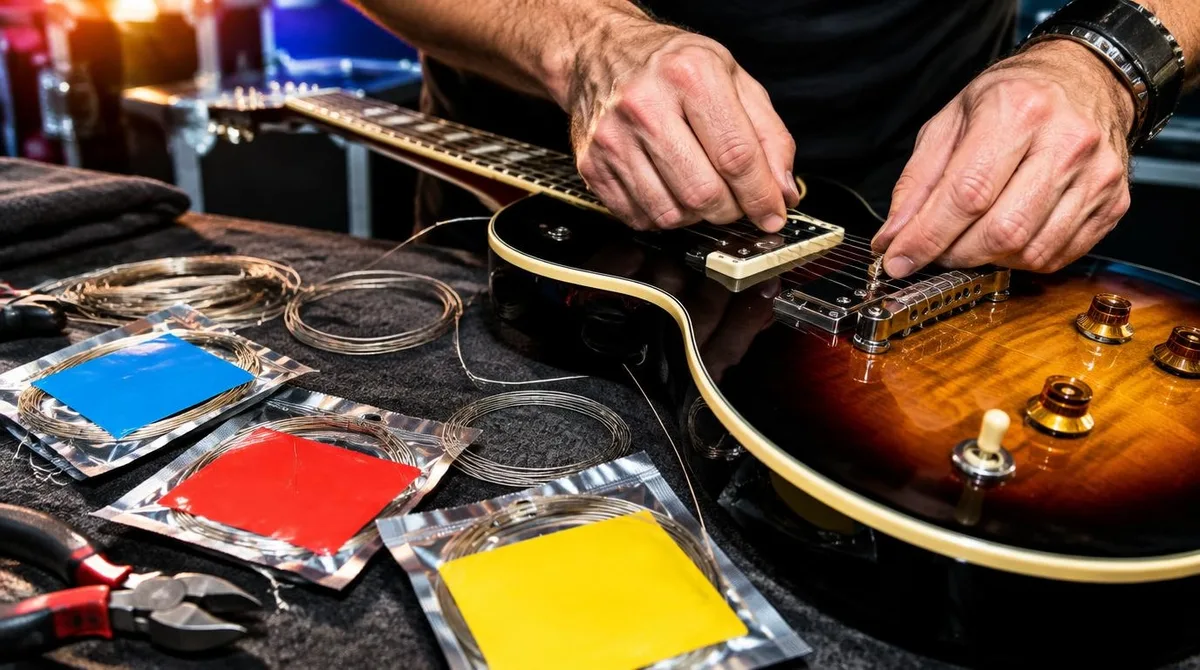
Light, medium, heavy: what the numbers on the pack actually decide for your hands, your tuning and your sound.

The difference between a cover and a rehash is a decision, not a tribute. Here is what the good ones actually change.
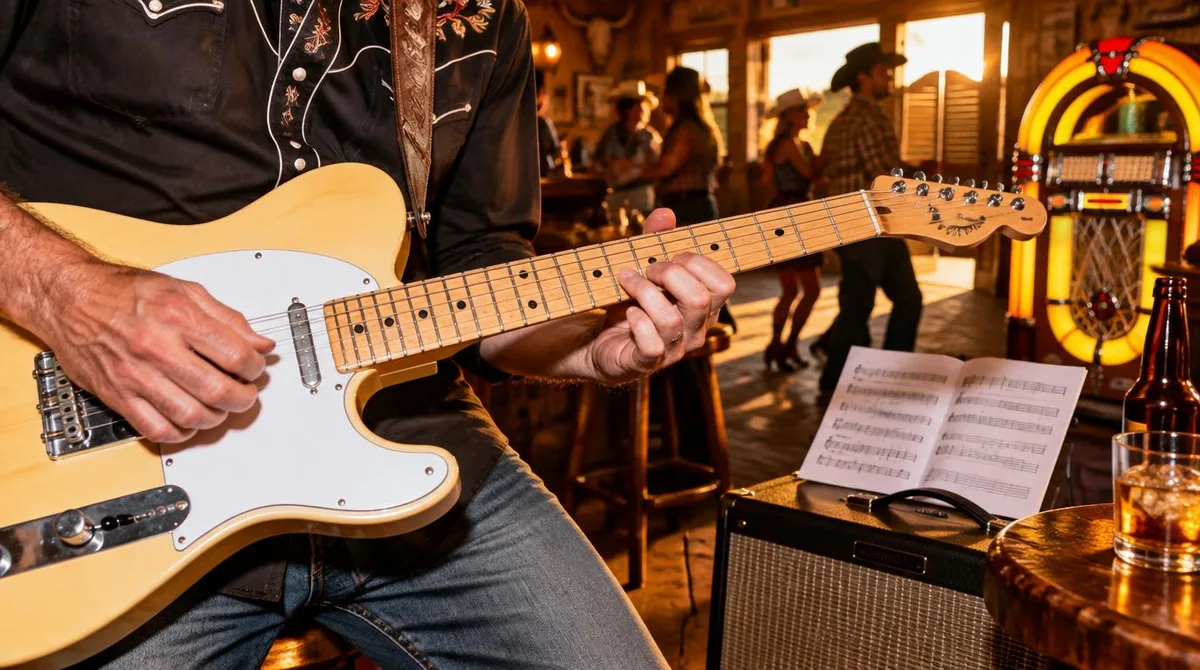
The boogie riff, the punchy strum, and the Telecaster snap behind the honky-tonk classic — broken down step by step.
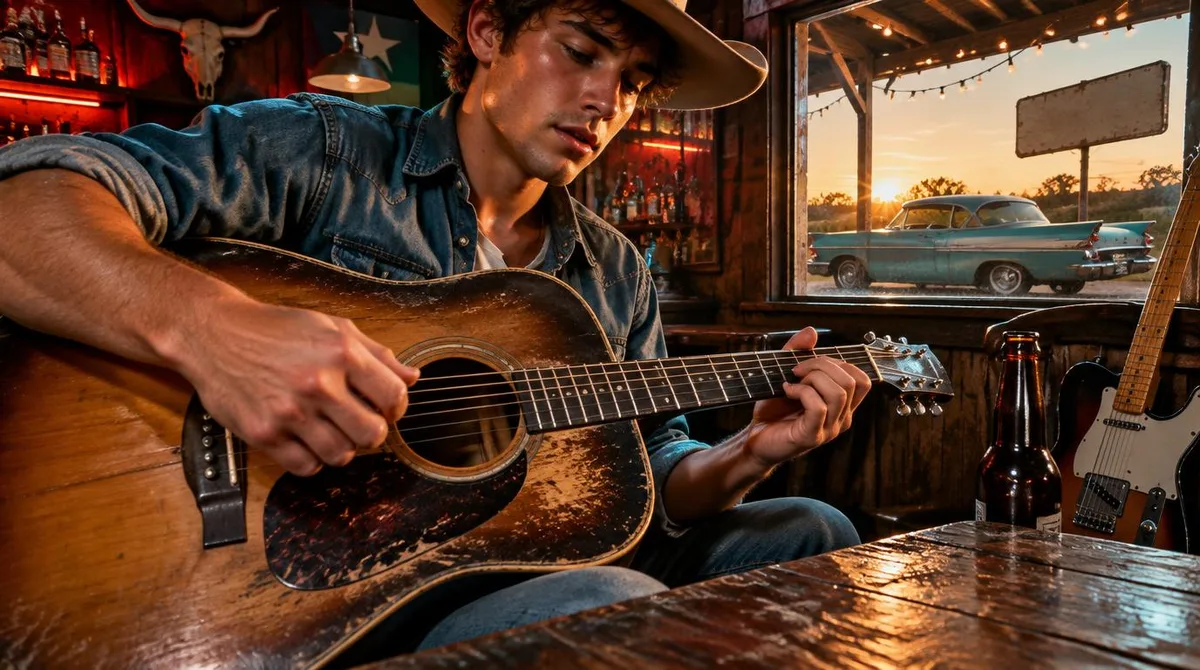
A two-chord shuffle with a bass-note bounce that has broken in more new players than almost any country song.

The robots enter the LEGO universe, and the pyramid stage from 2007 gets the official treatment — because a father and son built it first.
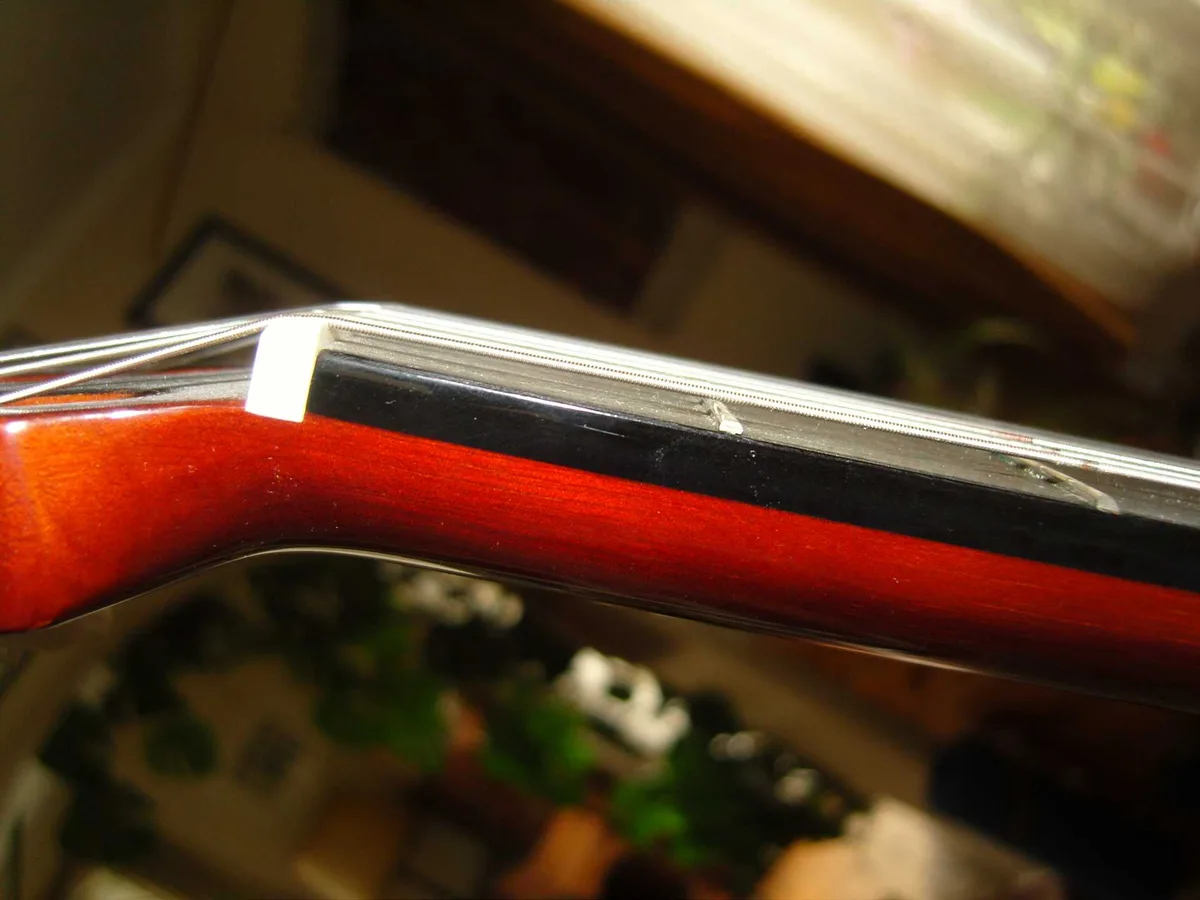
Open strings can be perfect and the upper frets still sour. Here is what intonation actually is, why it drifts, and how to check it at the bridge.

Keith Richards removed a string, tuned to open G, and rebuilt Rolling Stones rhythm guitar around five ringing strings. Here is what the tuning is and why it works.
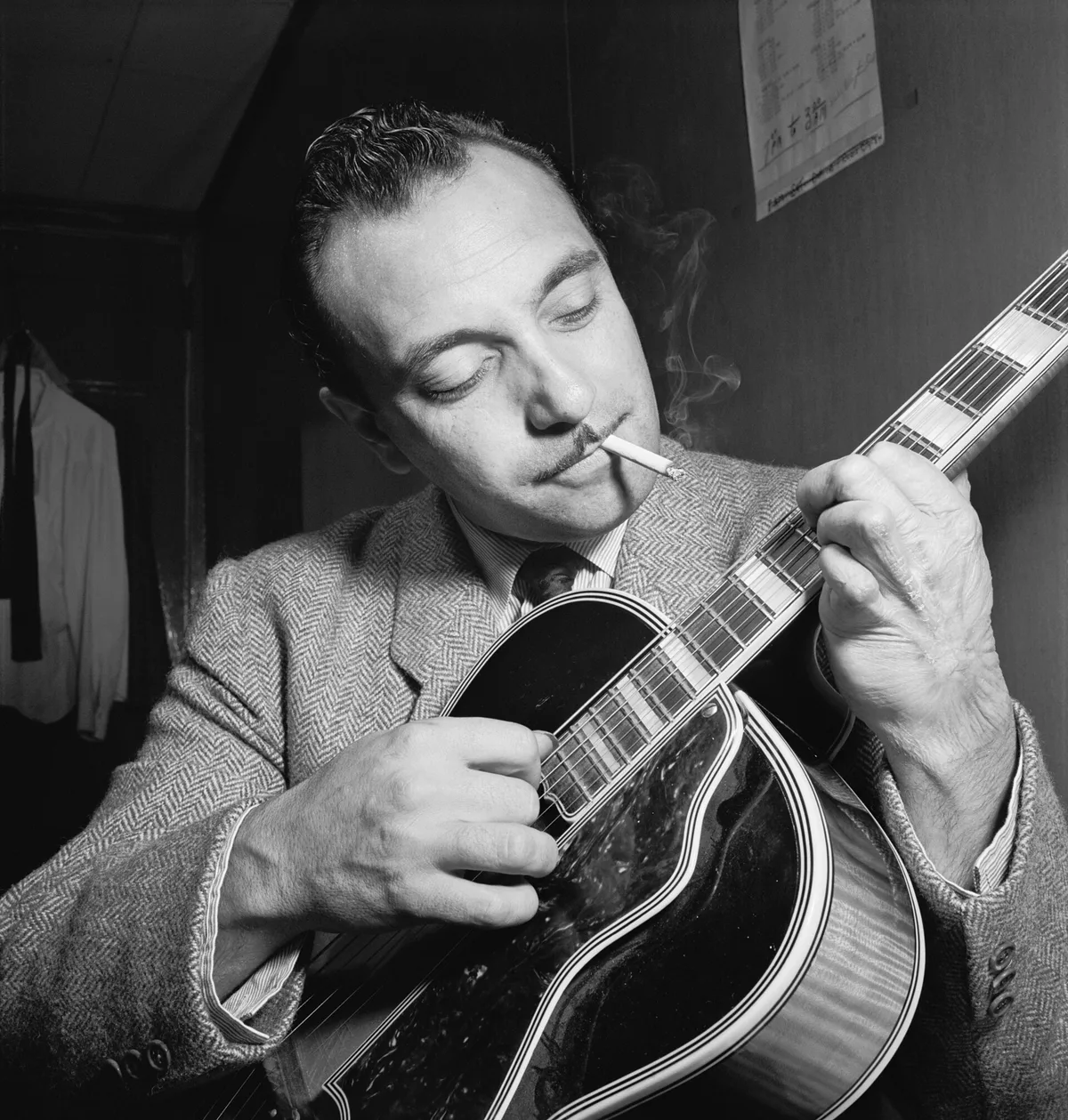
Django Reinhardt built gypsy jazz guitar on a fierce picked attack, percussive la pompe rhythm and a left hand rebuilt after a fire. Here is how his technique actually worked.

A year-round guide to classical music in Boston: Symphony Hall, the Boston Symphony Orchestra, the Boston Pops and Jordan Hall at the New England Conservatory.